
Dealing with joint pain can turn simple tasks into daily struggles. You might find yourself avoiding stairs, skipping your morning jog, or watching from the sidelines instead of playing with your kids. The good news? Many joint problems can be fixed through small keyhole incisions, not major surgery.
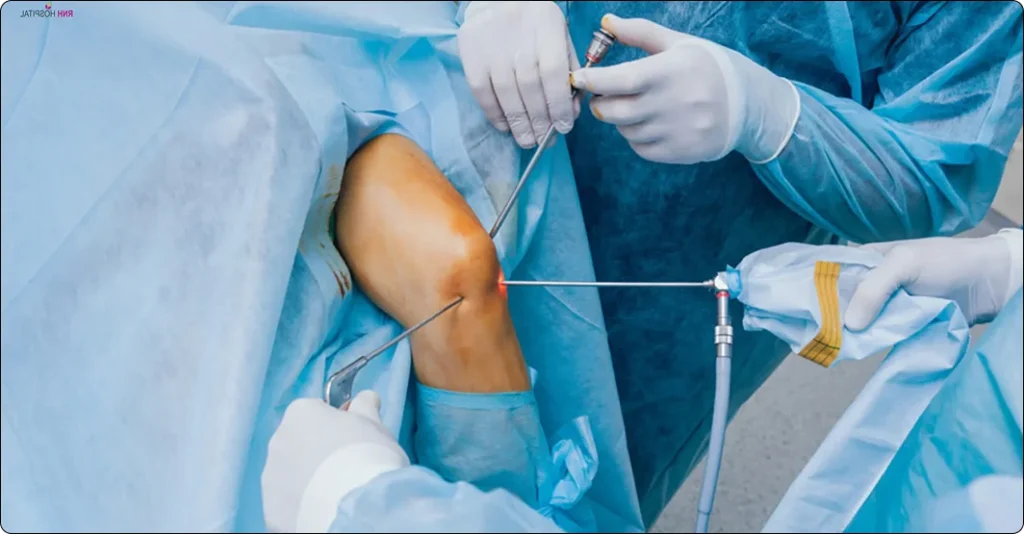
Arthroscopy is keyhole surgery for your joints. Instead of large cuts, the surgeon makes tiny openings—usually just 3-4mm wide. A small camera goes inside your joint, showing exactly what’s wrong on a screen. Then the problem gets fixed using specialized instruments through another small opening.
Think of it like repairing something inside a bottle. Rather than breaking the bottle, you work through the narrow opening with the right tools.
Arthroscopy works on:
Meniscus tears happen when you twist your knee suddenly. The meniscus is your knee’s shock absorber. When torn, your knee might lock, catch, or swell after activity.
ACL tears are common in sports that involve sudden stops and direction changes. Your knee might feel unstable, like it’s giving way.
Cartilage damage causes pain that worsens with activity. The smooth surface of your joint becomes rough, leading to catching sensations.
Rotator cuff tears can occur from a fall, lifting a heavy object, or gradual wear over time. Your shoulder hurts, especially when lifting your arm or lying on it at night.
Frozen shoulder causes your shoulder to become stiff and painful. Simple movements like reaching behind your back or overhead become difficult.
Shoulder instability means your shoulder feels loose or slips out of place. This often follows a dislocation.
Labral tears cause groin pain that worsens with twisting movements. Getting in and out of cars becomes uncomfortable.
Hip impingement creates pinching pain during activities. The bones of your hip don’t fit together smoothly, damaging cartilage over time.
Ankle arthroscopy treats lingering pain after sprains, removes bone spurs, or repairs cartilage damage.
Elbow arthroscopy removes loose bodies causing locking, releases stiffness, or treats tennis elbow that hasn’t improved with other treatments.
Natural joints are unique structures that function better than artificial replacements in most cases. The focus remains on preserving and repairing your joint whenever possible rather than rushing to replacement.
Dr. Abhijeet Savadekar trained in advanced joint preservation techniques in Israel and London. He pioneered anchorless rotator cuff repair in India, a method that repairs torn shoulder tendons with less hardware and often better results.
Every surgery aims to remove or fix only what’s necessary. This approach matters especially if you’re young, active, or want to stay that way for decades to come.
Before surgery, the anaesthesia options are discussed. Most arthroscopies use regional blocks—your joint area goes numb while you stay awake or lightly sedated. Some procedures need general anaesthesia.
Once you’re comfortable, the surgeon makes 2-3 small openings around your joint. The camera goes in first, examining every part of your joint and looking for damage. Often, problems that didn’t appear on MRI scans emerge.
Then comes the repair work. Depending on what’s wrong, the procedure might involve:
Most procedures take 30 minutes to 2 hours. You’ll spend a few hours in recovery before heading home.
After treatment, a tailored rehabilitation and physical therapy program is key to regaining strength and mobility in the shoulder. The program includes:
You’ll have some pain and swelling. Ice, elevation, and prescribed medications help. Many patients feel well enough to work from home if their job doesn’t require physical activity.
Pain decreases significantly. Physical therapy begins. The exercises might seem simple, but they’re crucial for proper healing.
Strength and movement improve steadily. Most people return to desk jobs and light activities. Heavy lifting and high-impact activities still need to be avoided.
Progressive return to sports and demanding activities happens. Your physiotherapist guides this process based on your specific surgery and goals.
Every person heals differently. Your age, the extent of damage, and how well you follow rehabilitation instructions all affect recovery speed.
Dr. Savadekar completed specialised arthroscopy training at KEM Hospital in Mumbai, then pursued fellowship training in shoulder surgery in Tel Aviv and London. He has worked alongside international experts through the Arthroscopy Academy of Mumbai.
This training has enabled thousands of joint problems to be seen and treated. Staying up to date with the latest techniques is essential, as this field evolves constantly. What was cutting-edge five years ago might be outdated today.
Experience matters most when surgery doesn’t go as planned. Unexpected findings happen. Anatomy varies between people. An experienced surgeon adapts and still achieves good outcomes.
Dr. Abhijeet Savadekar practices at several leading hospitals across Mumbai:
Jaslok Hospital, Pedder Road
Global Hospital, Parel
Dhanvantari Hospital, Dadar
Criticare Hospital, Andheri
K.B. Bhabha Hospital, Kurla
These facilities have modern arthroscopy equipment and experienced support teams. You’ll receive the same quality of care regardless of location.
Joint problems rarely improve by waiting and hoping. If pain limits your activities or keeps you awake at night, it’s time to find out what’s wrong.
Bring any X-rays, MRI scans, or previous medical records to your appointment. Write down your questions beforehand—it’s easy to forget them during the consultation.
Together, the cause of your pain can be identified and a plan created to get you moving comfortably again. Whether that involves surgery or other treatments, the goal stays the same: getting you back to the activities and life you enjoy.