
Shoulder
Dislocation
Shoulder
Dislocation
Make an appointment for know more!
More Services
Comprehensive Shoulder Dislocation Treatment in Mumbai by Dr. Abhijeet Savadekar

Introduction to Shoulder Dislocation
Shoulder dislocation is a prevalent injury that happens when the upper arm bone is forced out of its usual position in the shoulder blade’s socket. This painful condition may result from a sudden injury or the weakening of the ligaments and tendons that hold the joint together. As a leading expert in Shoulder Dislocation Treatment in Mumbai, Dr. Abhijeet Savadekar is dedicated to helping patients restore normal function and return to their pre-injury activities.
Symptoms and Diagnosis of Shoulder Dislocation
Symptoms
Diagnosis
Types of Shoulder Dislocation
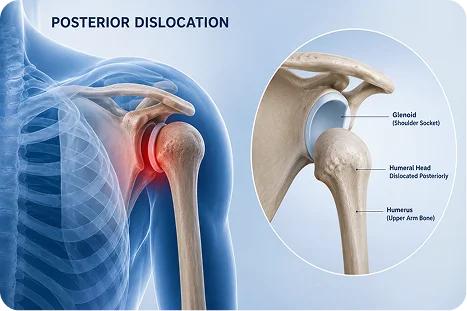
Shoulder dislocations can be classified into three main types, depending on the direction the humerus is displaced from the socket.
Anterior Dislocation
Posterior Dislocation
Inferior Dislocation
Causes and Risk Factors
Common causes for shoulder dislocations include falls, sports injuries, and motor vehicle accidents. Risk factors that may increase your likelihood of a shoulder dislocation include:
Age
Young adults are at higher risk due to physical activity, while older adults may be at risk due to weaker tissues.
Participation in high-impact sports
Young adults are at higher risk due to physical activity, while older adults may be at risk due to weaker tissues.
Prior dislocation
Young adults are at higher risk due to physical activity, while older adults may be at risk due to weaker tissues.
Non-Surgical Treatment Options
Initial treatment for a dislocated shoulder is usually non-surgical and may include following modalities.
- Closed Reduction
Doctors may try some gentle maneuvers to help the shoulder bones reduce back into their proper places.
- Immobilization
An arm sling or special brace may be used to immobilize the shoulder to promote healing.
- Medication
Painkillers and anti-inflammatory medicines can help manage pain and reduce swelling.
- Physiotherapy
Once the tissues around shoulder heals, physiotherapy can help strengthen the shoulder muscles and prevent future dislocations.
Surgical Treatment Options
Surgery might be recommended if the shoulder dislocation is severe and is not reducible with maneuvering or if the dislocation is associated with the fracture. As a leading Shoulder Specialist in Mumbai, Dr. Abhijeet Savadekar offers various surgical options based on specific needs of the patients.
- Arthroscopy
- Open Surgery
This minimally invasive procedure is one of the most common approaches for shoulder dislocation surgery in Mumbai.
Small incisions are made, and a camera is used to guide tiny instruments to repair the damage.
This minimally invasive procedure is one of the most common approaches for shoulder dislocation surgery in Mumbai.
Small incisions are made, and a camera is used to guide tiny instruments to repair the damage.
- Closed Reduction
This procedure involves a larger incision and is typically used for complex or severe injuries.
Rehabilitation and Physical Therapy
After treatment, a tailored rehabilitation and physical therapy program is key to regaining strength and mobility in the shoulder. The program includes:
- Early Stage Rehabilitation
Initially, the focus is on gentle exercises to regain the range of motion.
- Mid Stage Rehabilitation
As healing progresses, you will start strength exercises.
- Late Stage Rehabilitation
The final stage involves exercises to return to sports-specific or work-specific activities.

Prevention and Precautions
Preventing future dislocations involves regular exercise to strengthen the shoulder, using protective gear during sports, and avoiding risky activities. Adopting proper techniques during sports or exercising can also minimize the risk.
Cost of Shoulder Dislocation Treatment in Mumbai
The cost of shoulder dislocation treatment in Mumbai can vary greatly based on the severity of the dislocation, the chosen treatment option, and the individual’s general health status. Non-surgical treatment can range from ₹10,000 to ₹50,000, while surgical treatments may range from ₹1,00,000 to ₹3,00,000.


Why Choose
Dr. Abhijeet Savadekar
for Shoulder Dislocation
Treatment in Mumbai?


Why Choose
Dr. Abhijeet Savadekar
for Shoulder Dislocation
Treatment in Mumbai?
With a wealth of experience in treating shoulder dislocations and a reputation as a leading shoulder specialist in Mumbai, Dr. Abhijeet Savadekar is an excellent choice for your shoulder care. His expertise spans over 12 years with more than 4000 successful knee and shoulder surgeries, including over 2500 arthroscopic surgeries. His patient-centered approach ensures you receive the best possible care tailored to your unique needs and lifestyle goals.
Don’t let a shoulder dislocation hold you back from living your life. Schedule an appointment with Dr. Savadekar today and take your first step towards recovery.
Frequently Asked Questions
About Shoulder Dislocation in Mumbai
What are the signs of a shoulder dislocation?
Signs of a shoulder dislocation include severe pain, visible deformity, inability to move the joint, swelling, and sometimes bruising. You may also feel your shoulder giving way or popping out of place.
Can a shoulder dislocation heal on its own?
No, a shoulder dislocation cannot heal on its own. Medical attention is necessary to ensure that the shoulder bone is correctly repositioned and to minimize the risk of complications.
How long does it take to recover from a shoulder dislocation?
The recovery time varies based on the severity of the dislocation and the type of treatment administered. Non-surgical recovery often takes a few weeks, while recovery from surgery may take several months. Physical therapy is a crucial part of recovery.
Do I need surgery for a dislocated shoulder?
Whether you need surgery depends on several factors, including the severity of your dislocation, your overall health, and whether you’ve had previous dislocations. Dr. Savadekar will assess your condition and advise you on the best course of treatment.
What does shoulder dislocation surgery in Mumbai involve?
Shoulder dislocation surgery usually involves either an arthroscopic procedure or an open surgery, depending on the complexity of the injury. Both procedures aim to repair the damage and stabilize the shoulder joint.
What activities should I avoid after a shoulder dislocation?
After a shoulder dislocation, you should avoid any activity that involves heavy lifting or high impact movements. This includes certain sports, strenuous physical work, and even some household chores. Always consult with Dr. Savadekar before resuming these activities.